

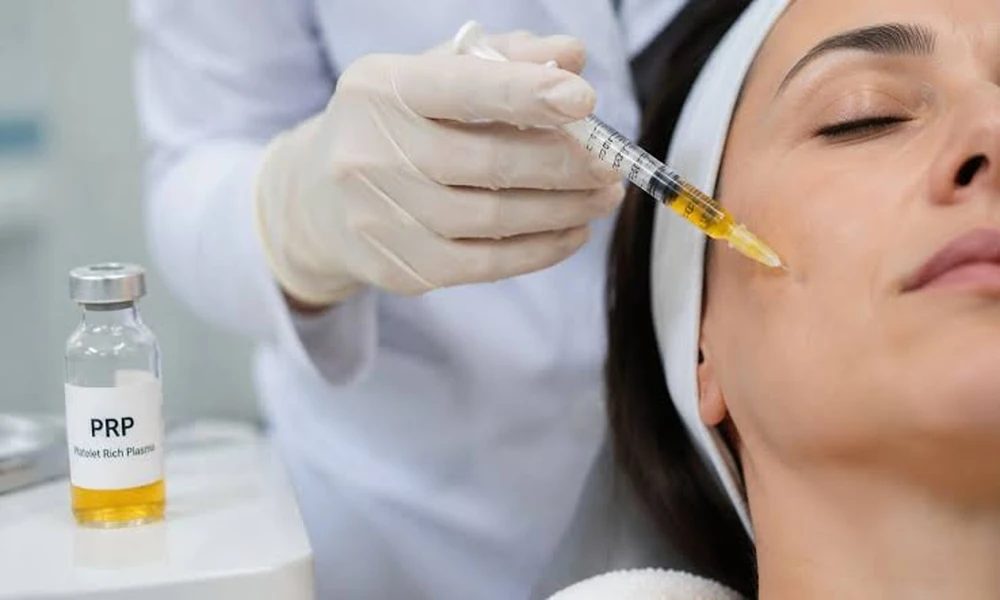
The word “natural” can describe a preference, but it cannot decide whether a cosmetic procedure is suitable for you. When researching PRP, separate the source of the material from the procedure being proposed and the evidence for its intended use. Those are different questions, and a reassuring description of one does not answer the others.
This is not a reason to dismiss your preferences. You may care about how a treatment is described or what it involves. The useful next step is to turn that preference into specific questions, so it informs the decision without becoming a substitute for an individual assessment.
A source description answers only one question
Health Canada describes PRP as a preparation obtained by separating components of a patient’s blood. That explains the origin in broad terms. It is not a personal recommendation, and it does not mean that a proposed cosmetic use is automatically right for everyone who is interested.
Think about what the word “natural” is doing in the description you are reading. Is it explaining where the material comes from, suggesting an appearance or implying that there is little to consider? If the meaning shifts between those ideas, ask for a clearer explanation. A single appealing word should not carry several different claims unnoticed.
Your question can be straightforward: what does this term mean in relation to the proposed procedure? You do not need to argue about the word in general. You need to understand the specific recommendation, including what it involves and what the practitioner believes is relevant to your situation.
Be especially careful when an online discussion moves from a material’s origin to certainty about an outcome. A description of the source does not establish how you will respond. Leave questions of suitability and expected benefit with a qualified practitioner who can explain the basis for the recommendation and its limitations.
Ask what is actually proposed at the appointment
PRP may appear alongside other cosmetic services in a menu or package. Ask which procedure is being discussed for you, whether anything else is included and who would perform each part. Do not assume that two offers describe the same appointment simply because they share a familiar abbreviation.
The category on Elysium Beauty’s Vaughan PRP page gives a local starting point for those questions. Use the enquiry to clarify the actual proposed service and assessment process. The existence of the page is not evidence that every reader is a candidate, or that its general description can replace an individual conversation.
Ask what information the practitioner needs from you and how to provide it. Relevant health history should not be omitted because you believe an option sounds gentle or familiar. At the same time, avoid making your own preparation changes based on an internet discussion. In particular, do not stop or alter prescribed medication without advice from the appropriate treating professional.
Find out what the practitioner wants you to understand before deciding. If the explanation is dominated by how the treatment is marketed, bring it back to the proposed intervention, potential risks and the alternatives relevant to your concern. The detail should help you choose, not merely make the option sound more sophisticated.
Look for evidence about the intended use
Evidence about one use does not automatically explain a different cosmetic goal. Ask what supports the particular use being proposed and how closely that information relates to your circumstances. You do not need to conduct a scientific review yourself, but you can expect the practitioner to explain why they consider the evidence relevant.
A testimonial answers a narrower question than it may appear to. It tells you what one person chose to say about an experience, not how likely the same outcome is for you. Treat it as a personal account rather than a forecast. A collection of enthusiastic comments still leaves questions about selection, context and individual differences.
Photographs also need context. Ask how images are selected and what information accompanies them before using them to form an expectation. A comparison may be visually striking while leaving the timing, other interventions or circumstances unclear. That does not require accusing anyone of misrepresentation; it means recognising the limits of the material available.
If you are given a research reference, ask what conclusion it supports and what it does not establish. A useful explanation can acknowledge uncertainty without becoming evasive. Be cautious about treating the presence of a scientific-looking link as the end of the enquiry when no one has explained its relevance to the proposed use. Note whether the discussion concerns the procedure itself, the equipment used or a different application; these are not interchangeable pieces of evidence.
Keep preference and certainty in different boxes
After the consultation, you may still prefer one option because of its characteristics. That is different from believing it carries no uncertainty. Write down the preference and the unresolved questions separately if that helps you think. You can then decide whether you have enough information to proceed or need another conversation.
Include ordinary commitments in the decision: the proposed visits, travel, costs and follow-up arrangements. An appealing description does not remove those practical considerations. Ask for clear terms and an individual explanation before accepting a package, rather than letting the reassuring language make the commitment seem smaller than it is.
There is no need to replace optimism with alarm. The aim is a proportionate decision in which words about origin, appearance and suitability keep their separate meanings. “Natural” can remain a preference you care about; it should not have to do the work of an assessment, an evidence discussion and your own considered choice.


