Most people do not think much about stomach checks until something keeps bothering them. It starts small. A little discomfort, a strange burning feeling, maybe food not going down smoothly. This article is about why endoscopy is done and why doctors suggest it even when things do not seem very serious at first.
Understanding what happens during this medical check
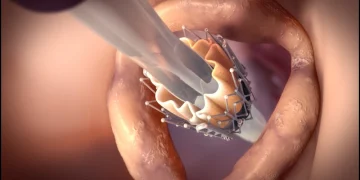
The procedure uses a thin flexible tube with a small camera. It goes through the mouth and lets doctors see inside the upper digestive system.
Sounds uncomfortable, yes. That is usually the first reaction.
But the actual process is often quicker than people expect. Many people walk in nervous and walk out saying it was not as bad as they imagined. The mind builds it up more than the body feels it.
Common signs that lead people to consider it
Most people do not go for this test randomly. Something keeps happening again and again.
It could be a burning feeling in the chest that does not settle. Or pain in the upper stomach that just stays there. Sometimes food feels like it is getting stuck while swallowing, which can feel a bit scary.
There are also quieter signs. Feeling full too quickly. Nausea that comes and goes. Not strong enough to panic, but not normal either.
And this is where it gets tricky. Because people wait. They wait to see if it goes away.
When doctors usually suggest this test
In many cases, endoscopy simply helps people stop guessing and finally understand what has been bothering them for a while.
Doctors usually look at patterns, not just one symptom before taking it. If something repeats or lasts longer than expected, they start thinking deeper.
If medicines are not helping, or if the same discomfort comes back after a few days, this test becomes a way to stop guessing.
Sometimes it is suggested earlier, depending on the situation. Other times, it comes after trying simple treatments first.
It is not always urgent. But it is also not something to keep delaying again and again.
How preparation feels before the procedure day
Preparation is simple on paper. You may be asked not to eat for a few hours before the test.
But the mental part feels different.
People start thinking about how it will feel, how long it will take, what if something is found. That waiting period feels longer than it actually is.
And honestly, that nervous feeling is very common. Almost everyone has it.
What results can reveal about your health
This is the part where things begin to make sense. The camera shows what is actually happening inside.
It can reveal irritation, small ulcers, infections, or other changes. Sometimes everything looks normal, which brings a lot of relief.
Other times, it explains why symptoms were not improving.
That moment when the reason becomes clear. It just connects.
Clearing doubts people often have before booking
A lot of hesitation comes from imagining worst case situations. But in reality, this is a routine procedure done quite often.
It usually does not take long. You are monitored throughout. Most people go home the same day.
Still, not everyone feels exactly the same after. Some feel normal quickly. Others take a bit of time to settle. And that is okay. Understanding what is happening inside your body can remove a lot of confusion.