Hypertension and kidney disease exist in a genuinely dangerous cycle, each one worsening the other over time. Elevated blood pressure gradually damages kidney tissue, and as kidney function declines, blood pressure becomes even more difficult to manage – often resulting in Uncontrolled Hypertension. Because of this two-way relationship, hypertension remains one of the leading causes of end-stage renal disease (ESRD) worldwide. For nurses caring for patients at any point along this gradual, frequently symptomless progression, understanding the physiological mechanisms driving this cycle is essential to effective management.
How Sustained Hypertension Damages the Kidneys
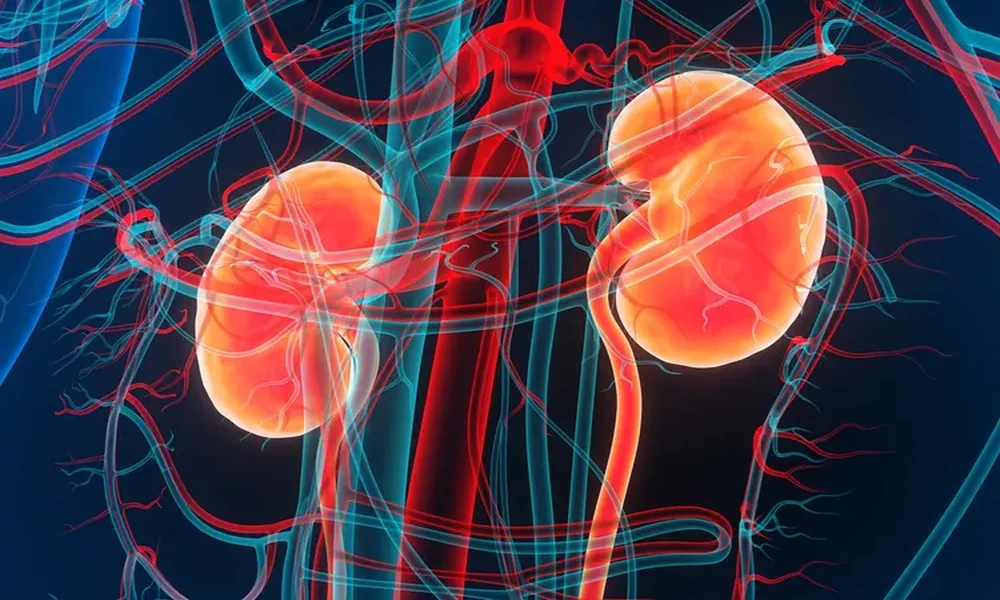
The kidneys rely on a delicate, extensive network of small blood vessels and specialized filtering units called nephrons to continuously clean the blood of waste products and excess fluid. Sustained high blood pressure gradually damages these small vessels over months and years, thickening and narrowing them through a process that steadily reduces blood flow reaching the nephrons themselves. As individual nephrons are progressively damaged, the kidney’s overall filtering capacity declines – and because the kidneys also play a central role in regulating blood pressure through fluid balance and hormone release, that decline in kidney function often worsens the underlying hypertension even further, accelerating the whole cycle.
The Hypertension-CKD-ESRD Progression Cycle
This creates a slow, often clinically silent progression over years: uncontrolled hypertension damages nephrons, causing chronic kidney disease (CKD) to develop; CKD then reduces the kidney’s own ability to help regulate blood pressure, worsening hypertension further; and that worsening hypertension, in turn, accelerates additional nephron damage going forward. Without meaningful intervention at some point in this cycle, this process can progress over years from mild, asymptomatic CKD all the way to end-stage renal disease, at which point the kidneys can no longer sustain the body without dialysis or a kidney transplant.
Diagnostic Markers: GFR, Creatinine, and Proteinuria
Because early kidney damage frequently produces no obvious symptoms that a patient would notice on their own, ongoing monitoring relies heavily on specific laboratory markers: glomerular filtration rate (GFR), which estimates how effectively the kidneys are currently filtering blood; serum creatinine levels, which rise steadily as filtration capacity declines; and proteinuria, meaning protein detected in the urine, which signals meaningful damage to the kidney’s delicate filtering membrane. Regular, proactive monitoring of these specific markers in hypertensive patients allows for genuine early intervention long before any symptoms would otherwise appear.
Blood Pressure Targets and Treatment for CKD Patients
Blood pressure control remains the single most effective, evidence-backed way to meaningfully slow this entire progression. Current guidelines generally recommend somewhat tighter blood pressure targets for patients who already have CKD compared to the general population, typically achieved through a combination of medications like ACE inhibitors or ARBs, which carry additional kidney-protective effects beyond simple blood pressure reduction, alongside lifestyle changes and consistent, ongoing monitoring. Medication adherence counseling delivered by nurses plays a genuinely measurable, documented role in improving long-term outcomes here.
When Kidney Disease Progresses to Dialysis or Transplant
When CKD ultimately progresses to full ESRD, patients require dialysis or a transplant simply to survive, since the kidneys can no longer adequately filter metabolic waste and excess fluid on their own. This particular transition represents a major clinical and emotional turning point for patients and families alike, often requiring significant, dedicated patient education around the different dialysis modalities available, necessary dietary restrictions, and broader lifestyle adjustments – an area where dedicated nursing support and education is genuinely critical to a patient’s adjustment and long-term success.
Prevention Strategies and Patient Counseling
Prevention ultimately remains the single most powerful tool available: consistent, sustained blood pressure control, regular kidney function monitoring in genuinely at-risk patients, and clear patient education about the interconnected relationship between these two conditions can meaningfully delay, or in some cases entirely prevent, progression to full ESRD. Helping patients understand this connection clearly – not as two separate, unrelated diagnoses but as one single interconnected physiological process – measurably improves both treatment adherence and long-term outcomes.
Diet and Lifestyle Factors in Kidney Health
Diet and lifestyle counseling round out the clinical picture alongside medication management. Sodium restriction, weight management, limiting alcohol intake, and regular physical activity all contribute meaningfully to blood pressure control, and as kidney function declines further, additional dietary adjustments around potassium, phosphorus, and protein intake often become necessary to reduce strain on the kidneys and manage electrolyte balance. Nurses providing this counseling are often the ones translating a nephrologist’s or physician’s recommendations into practical, everyday guidance a patient can actually follow at home.
Clinical Scenario: Catching Declining Kidney Function Early
Consider a patient with longstanding, poorly controlled hypertension who is now showing a mildly reduced GFR on routine labs but reports feeling completely fine. It’s tempting for both patients and busy clinicians to deprioritize an asymptomatic lab finding, but this is precisely the window where intervention has the most power to change the trajectory. A nurse who recognizes a declining GFR trend as an urgent signal – rather than waiting for symptoms like fatigue, swelling, or changes in urine output to appear – can help initiate tighter blood pressure control and appropriate referral well before the disease reaches a stage where damage is largely irreversible.
Continuing Education on Hypertension and Kidney Disease
The Hypertension and End-Stage Renal Disease course covers this full progression in detail, from the underlying vascular mechanism all the way through the dialysis transition, and is one of several continuing ed for nurses online options focused specifically on chronic disease management, pairing naturally with related coursework on stroke risk factors tied to blood pressure control for a fuller cardiovascular picture. Recognizing hypertension and kidney disease as two sides of one interconnected process, rather than two unrelated diagnoses to manage separately, is often the shift in thinking that leads to earlier intervention, better patient education, and ultimately a meaningfully slower path toward dialysis for patients at risk.