Introduction
Stress can show up in different ways. Some people notice a racing mind, while others experience tight shoulders, clenched jaws, stiff backs, or restless legs. These physical responses can continue even after a demanding situation has passed, making it difficult to settle down and feel comfortable.
Meditation and yoga are commonly used to support relaxation, body awareness, and emotional balance. However, some people find it challenging to sit quietly when their bodies feel tense or their thoughts are constantly moving. Progressive muscle relaxation offers another way to begin: by deliberately tensing and releasing selected muscle groups, a person can learn to recognise the difference between physical tension and relaxation.
When used alongside meditation and yoga, this technique can form part of a flexible wellness routine. Each practice serves a different purpose, and combining them thoughtfully may help people develop a better understanding of their physical and mental responses to everyday pressure.
Understanding the Three Practices
Although progressive muscle relaxation, meditation, and yoga can all encourage a calmer experience, they approach relaxation differently.
Progressive muscle relaxation
Progressive muscle relaxation, often abbreviated as PMR, is a structured technique that involves briefly tensing a muscle group and then releasing the tension. The process usually moves through different areas of the body, such as the hands, shoulders, face, abdomen, and legs.
The central idea is to notice how tension feels and compare it with the sensation that follows release. With practice, people may become more aware of habits such as tightening their shoulders while working or clenching their jaw when concentrating.
Meditation
Meditation includes a variety of practices designed to train attention and awareness. A person might focus on breathing, observe thoughts without immediately reacting to them, or repeat a meaningful phrase.
Unlike PMR, meditation does not necessarily require deliberate muscle contraction. It can help people notice thoughts, emotions, and sensations without becoming completely absorbed in them.
Yoga
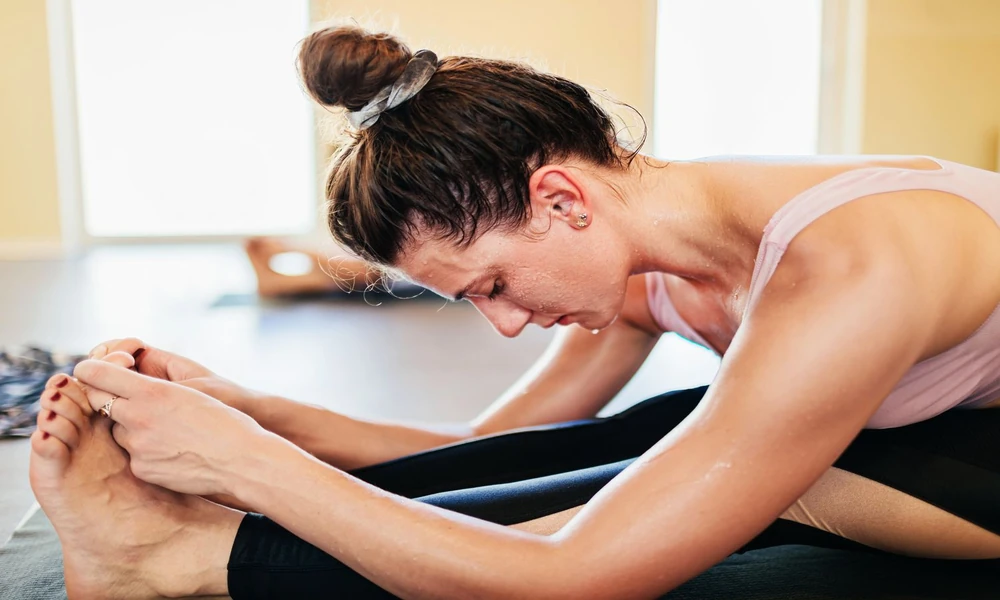
Yoga combines physical postures, movement, breathing practices, and, in some traditions, meditation or philosophical reflection. Depending on the style, a session may involve active sequences, gentle stretches, balance work, or supported resting poses.
Yoga can develop awareness of posture and movement while offering opportunities to coordinate breathing with physical activity.
Together, these approaches provide different entry points into relaxation: PMR focuses on muscular tension, meditation develops attention, and yoga connects movement with bodily awareness.
Why Physical Tension Can Make Relaxation Difficult
During a demanding day, the body may respond to pressure by increasing muscle activity. Someone preparing for a presentation might raise their shoulders, tighten their hands, or hold their breath without noticing. A person working at a computer for several hours may remain in the same position long after discomfort begins.
These reactions are not always easy to recognise because they can become familiar. Even when a person has time to rest, their body may continue to feel tense.
Progressive muscle relaxation introduces a deliberate contrast between contraction and release. Instead of simply being told to relax, the person actively experiences what it feels like to let a muscle group soften.
This awareness can be useful before meditation or gentle yoga. When physical discomfort is less distracting, some people find it easier to direct attention towards their breathing or follow a guided practice.
However, relaxation techniques do not eliminate every source of stress, and persistent muscle pain or unexplained tension may require medical assessment.
How Progressive Muscle Relaxation Works in Practice
A basic PMR session can be completed in a quiet room while sitting in a supportive chair or lying down comfortably. Choose a position that does not create pressure on painful areas.
Begin by taking a few natural breaths. Move through the body gradually, working with one muscle group at a time.
A typical sequence might include:
- Hands and forearms: Gently make a fist, hold briefly, and release.
- Shoulders: Lift them slightly towards the ears, then allow them to settle.
- Face and jaw: Notice any clenching and let the jaw rest comfortably. Avoid forceful facial tension.
- Abdomen: Tighten the abdominal muscles gently, then release without holding your breath.
- Legs: Contract the thigh muscles lightly, then soften them.
- Feet: Curl the toes gently, release, and notice the difference.
For each muscle group, a brief contraction of around five seconds may be sufficient, followed by a longer period of relaxation. The exact timing can vary according to comfort and the instructions of a trusted guided recording.
The purpose is not to contract muscles as strongly as possible. Use gentle effort, continue breathing normally, and stop any movement that causes pain, cramping, or discomfort. You can skip any area that is injured or sensitive.
After completing the sequence, remain still for a minute or two. Notice whether any areas feel warmer, heavier, looser, or unchanged. There is no need to force a particular sensation.
Using Muscle Relaxation Before Meditation
Meditation often asks people to direct attention towards a single point, such as the breath, or to observe thoughts without following them. Yet physical discomfort can repeatedly draw attention away from the practice.
A short PMR session before meditation may help some people settle into a comfortable position. Releasing tension in the hands, shoulders, and face can reduce the urge to adjust posture repeatedly.
Consider this simple sequence:
- Spend three to five minutes gently releasing tension in selected muscle groups.
- Sit or lie in a comfortable position.
- Notice the natural rhythm of your breathing.
- When thoughts arise, acknowledge them and return attention to the breath.
- Finish by noticing how your body feels without judging the result.
For people who find silent meditation difficult, a guided audio session may offer helpful structure. Others may prefer to begin with only one or two muscle groups before sitting quietly.
It is also perfectly reasonable to practise meditation without PMR. The combination is an option, not a requirement, and its usefulness depends on personal preference.
Combining PMR With Yoga Without Overloading Your Routine
Yoga already involves attention to muscular effort, alignment, and release. Adding progressive muscle relaxation can complement this awareness, especially when a session includes gentle movement followed by rest.
The key is to avoid making every part of the routine physically demanding. Yoga postures may involve strengthening or stretching muscles, while PMR introduces brief, deliberate contractions. Neither practice should involve pushing through pain.
One approach is to begin with a few comfortable movements, such as shoulder rolls or gentle seated stretches. After moving, practise PMR on selected muscle groups that feel tense. Finish with a supported resting posture, allowing the body to settle naturally.
For example, after a gentle yoga session, you might notice that your shoulders feel more comfortable but your hands remain clenched. A brief relaxation exercise focused on the hands and forearms can help bring attention to that area.
Some yoga traditions already include relaxation at the end of a session. If you practise a guided body scan or a resting posture, you may not need a complete PMR sequence as well. Choose the elements that make the session feel balanced rather than repetitive.
Building a Routine for Different Situations
A useful wellness routine should be adaptable. The best combination depends on how much time you have and what you are experiencing.
When you have five minutes
Choose one area where tension is noticeable, such as the shoulders or hands. Gently tense and release the muscles, then spend a minute observing your breathing.
This short version may fit between tasks or during a break. It is not necessary to complete a full-body sequence every time.
When you have fifteen minutes
Spend five minutes on selected muscle groups, five minutes meditating, and the remaining time sitting quietly or practising gentle stretches.
This option creates a transition from active effort to stillness without requiring a lengthy session.
When you have thirty minutes
Begin with gentle yoga movements, follow with a short PMR sequence, and finish with meditation or a comfortable resting posture. Adjust the proportions according to your experience and energy level.
You can also alternate the practices on different days. A yoga session may be appropriate when you want movement, while PMR alone may suit a day when you feel physically tense and prefer to remain still.
Recognising Progress Without Expecting Instant Results
Relaxation is not always immediate. Some people notice a clear difference after one session, while others need time to become familiar with the technique. Occasionally, focusing closely on the body can initially feel uncomfortable or increase awareness of sensations that were previously ignored.
Rather than judging each session by whether you feel completely calm, look for smaller observations. Are you noticing shoulder tension sooner? Can you identify when your jaw tightens? Do you remember to pause and breathe during a demanding task?
These signs may indicate that you are becoming more aware of your physical responses, even if the underlying stress has not disappeared.
A simple journal can help you track when you practised, which areas felt tense, and whether the technique was comfortable. Keep the record brief so that monitoring progress does not become another source of pressure.
If focusing on bodily sensations increases anxiety or distress, stop the exercise and try a gentler approach, such as looking around the room, listening to familiar sounds, or taking a comfortable walk. A qualified health professional can help you identify suitable techniques if relaxation exercises repeatedly feel difficult.
Common Mistakes to Avoid
A few adjustments can make the combined practice more comfortable and sustainable.
Using too much force: PMR is about recognising and releasing tension, not maximising contraction. Gentle effort is enough.
Holding the breath: Continue breathing naturally throughout the exercise. Breath-holding may make the experience uncomfortable.
Expecting the mind to become completely quiet: Thoughts may continue during meditation. The aim is to notice them and gently redirect attention, not eliminate them.
Treating yoga as a competition: Choose movements that match your mobility and experience. Flexibility is not a requirement for relaxation.
Trying to do everything every day: A short, consistent practice may be easier to maintain than an elaborate routine. You can change the combination according to your needs.
Conclusion
Progressive muscle relaxation, meditation, and yoga offer complementary ways to develop awareness of the body and mind. PMR teaches people to recognise muscular tension and practise releasing it. Meditation provides an opportunity to observe attention and thoughts, while yoga combines movement, posture, and breathing.
Used thoughtfully, these techniques can become part of a practical approach to stress management. Begin with a comfortable exercise, combine practices only when they feel helpful, and adjust the routine to your available time and physical needs.
The goal is not to remove every uncomfortable sensation or achieve perfect calm. It is to build a better understanding of your responses to everyday demands and discover which practices help you pause, recover, and return to your activities with greater awareness.
Frequently Asked Questions
1. What is progressive muscle relaxation?
Progressive muscle relaxation is a technique in which you gently tense and then release different muscle groups. It helps you notice the difference between muscular tension and relaxation.
2. Can progressive muscle relaxation be practised before meditation?
Yes. A brief PMR session may help you become more comfortable before meditation, particularly if physical tension distracts you. However, it is optional, and meditation can be practised on its own.
3. Is progressive muscle relaxation suitable for yoga beginners?
Many beginners can learn a gentle version of PMR alongside beginner-friendly yoga. Use comfortable movements, avoid painful muscle contractions, and skip areas affected by injury or sensitivity. Seek professional guidance if you are unsure which movements are appropriate.
4. How often should I practise these relaxation techniques?
You can begin with a few minutes on several days each week and adjust according to your comfort and schedule. There is no single frequency that suits everyone. Regular, manageable practice is generally more practical than forcing long sessions.
5. Can progressive muscle relaxation replace professional treatment for stress or anxiety?
No. PMR may be a helpful self-care technique, but it does not replace professional assessment or treatment when stress, anxiety, sleep problems, or physical symptoms persist or interfere with daily life.