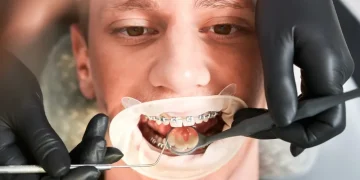
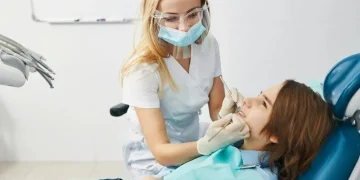
For many people considering orthodontic treatment, one concern often stands out: will it involve surgery or removing healthy teeth? The idea of invasive procedures can feel intimidating, which is why more patients today are actively searching for simpler, less aggressive solutions.
The good news is that orthodontics has evolved significantly. In many cases, it is now possible to improve alignment using techniques that focus on gradual movement rather than surgical intervention. For those exploring options like teeth alignment without surgery, modern treatments offer a more comfortable and flexible path to achieving a better smile.
Why Patients Are Moving Away from Surgical Options
Traditionally, certain orthodontic cases were treated with tooth extraction or, in more severe situations, surgical correction. While these approaches are still necessary in some cases, they are no longer the default solution.
Patients today are looking for:
- Less invasive treatments
- Faster recovery and minimal disruption
- More natural-looking results
- Greater comfort during the process
As a result, orthodontists increasingly focus on methods that preserve natural tooth structure and work with the body’s natural alignment process.
Understanding How Non-Surgical Treatment Works
Non-surgical orthodontic treatment relies on controlled, gradual tooth movement. Instead of altering the structure of the jaw or removing teeth, these methods create space and alignment through careful planning.
This can involve:
- Expanding the dental arch slightly
- Repositioning teeth over time
- Using advanced appliances designed for efficiency
For many patients, this approach makes it possible to straighten teeth without removing teeth, especially in mild to moderate cases.
Modern Treatment Options Available
Clear Aligners
Clear aligners have become one of the most popular choices for patients who want a discreet and convenient solution. These custom-made trays are designed to move teeth gradually while allowing flexibility in daily life.
They are particularly suitable for:
- Mild to moderate crowding
- Spacing issues
- Patients who prefer removable appliances
Advanced Braces Systems
Modern braces are far more comfortable and efficient than traditional versions. They are designed to reduce friction and apply consistent, gentle pressure.
These systems are often recommended for:
- More complex alignment issues
- Cases requiring precise control
- Situations where aligners may not be sufficient
Space Management Techniques
Orthodontists today use refined techniques to create space without removing teeth. These may include:
- Minor reshaping between teeth
- Controlled expansion
- Strategic movement planning
This allows for better alignment while maintaining the natural structure of the smile.
Who Is a Good Candidate?
Not every case can be treated without surgery, but many patients are suitable for non-invasive options.
You may be a good candidate if you have:
- Mild to moderate crowding
- Gaps between teeth
- Minor bite issues
More complex cases may still require additional intervention, but even then, modern orthodontics often reduces the need for invasive procedures.
Benefits of Non-Surgical Orthodontic Treatment
Choosing a non-surgical approach offers several advantages:
- Preserves natural teeth
- Reduces treatment complexity
- Improves comfort during the process
- Minimises recovery time
- Maintains facial balance
These benefits are a key reason why more patients are exploring conservative treatment options.
What to Expect During Treatment
The process typically begins with a consultation, where your orthodontist evaluates your teeth, bite, and overall alignment.
From there:
- A personalised treatment plan is created
- Appliances such as aligners or braces are fitted
- Teeth gradually shift into position over time
Regular follow-ups ensure that progress stays on track and adjustments are made when needed.
When Surgery May Still Be Necessary
While many cases can be treated without surgery, it is important to understand that some situations require more advanced intervention.
Surgery may be recommended when:
- There is a significant jaw alignment issue
- The bite cannot be corrected with orthodontics alone
- Structural changes are needed for long-term stability
A proper assessment helps determine the most suitable approach for each individual.
The Shift Towards Patient-Friendly Orthodontics
Across Canada, there is a noticeable shift in how patients approach orthodontic treatment. More people are prioritising comfort, convenience, and long-term outcomes over traditional methods.
This has led to:
- Increased demand for aligners
- Greater awareness of non-extraction techniques
- More personalised treatment planning
Orthodontics is no longer just about straightening teeth-it is about doing so in a way that fits into modern lifestyles.
Final Thoughts
The idea that straightening teeth requires surgery or removing healthy teeth is becoming outdated. With advancements in orthodontic technology, many patients can achieve effective results through less invasive methods.
If you are considering treatment, understanding your options is the first step. Non-surgical approaches are not only possible in many cases but are also becoming the preferred choice for patients seeking a more comfortable and practical solution.
A personalised consultation remains the best way to determine what will work for your specific needs, but for many people, the path to a better smile is now simpler than ever before.