Menopause marks a turning point in a woman’s life. With estrogen production slowing, bodily changes arise and health priorities shift. From managing symptoms to preventing disease, self-care now lays the foundation for wellness after the age of 50. Use this health checklist to take charge of needs unique to the post-menopause decade. Staying proactive allows you to embrace this transition with vitality.
Tuning into Your Body
Monitor new or unusual signs closely as hormone levels transition. While some discomfort may surface, do not neglect troublesome symptoms. Listen to your body’s cues and respond appropriately.
- Track cycles until menstruation ceases completely. See a doctor if bleeding is extremely heavy, irregular or persistent.
- Are hot flashes and night sweats interfering with your sleep? If so, identify and avoid triggers like stress, caffeine, wine or spicy foods. Layer breathable clothing and use cooling aids like fans. Try herbal remedies like black cohosh.
- The experts over at LivRing suggest managing vaginal dryness with long-lasting vaginal moisturizers and lubricants during sex. Discomfort during intimacy need not prevent a healthy sex life.
- Report sudden changes in heart rate, digestion, urine leakage, vision, breathing or anything of concern to your doctor right away to quickly address.
- Watch for signs of depression or anxiety during the hormonal shift and get support. Mood changes are common but do not dismiss severe symptoms.
Healthy Lifestyle Habits
Tending to self-care needs through nutrition, fitness and smart habits provides the best defense against disease and decline associated with aging. Build positive routines now.
- Follow a balanced diet emphasizing vegetables, fruits, whole grains, beans, fish and dairy for key nutrients that may fall short after menopause, such as calcium, vitamin D, iron, fiber, protein etc. Avoid excess salt, sugar and processed foods.
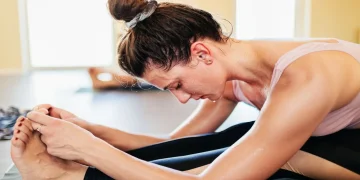
- Exercise for 30-60 minutes daily to keep your bones, muscles and heart strong. Mix weight-bearing exercises like walking with resistance training using bands or weights. Incorporate balance activities like tai chi or yoga. Stretch regularly to stay flexible and prevent injury.
- Make sufficient, quality sleep a priority for physical and mental health. Cultivate good sleep habits and tackle issues like night sweats, hot flashes or restless legs promptly through cool temperatures, relaxation and medication if needed.
- Manage stress through relaxing practices like meditation, massage, strolls in nature, journaling or laughing with friends. Set realistic expectations for things within your control.
- Stay socially engaged through connections with family, friends, groups and hobbies you enjoy. An active social life benefits mental health.
Preventative Care
Without estrogen’s protective effects, risks for several conditions like osteoporosis, heart disease and breast cancer heighten after menopause. But catching problems early makes an enormous difference.
- Get regular physical exams, cholesterol checks, diabetic screenings, skin checks and blood pressure monitoring at least annually.
- Schedule timely mammograms, bone density scans, colonoscopies and other recommended cancer screenings. Do monthly breast self-exams.
- See your gynecologist annually for Pap smears, pelvic and breast exams. Discuss any issues like abnormal bleeding, urinary problems or hormonal treatment options.
- Visit the dentist routinely for oral cancer screenings and treatment for symptoms like mouth pain, teeth/gum issues or ill-fitting dentures.
- Be aware of family health history and your personal risk factors for diseases like stroke or Alzheimer’s. Take proactive prevention steps.
Conclusion
Menopause needn’t spell struggle or decline. While aging and hormone changes are inevitable, good health remains largely under your direction through smart preventative care. Be attuned to the body’s evolving needs and address them promptly with your healthcare team. Nurture yourself holistically through positive habits. With reasonable adjustments, the vibrant years after menopause can be deeply enjoyed and lived to the fullest potential.