The body undergoes several changes as one ages, and vision is no different. Many people experience progressive alterations in their vision that may not seem like much at first. It can get harder to read small type, see properly in low light, or switch between different lighting settings. While some changes are a normal aspect of ageing, others may indicate an eye issue that needs to be treated by a professional. People may be motivated to take better care of their eyes as they age if they are aware of these difficulties.
As people get older, changes in vision can develop gradually and affect everyday comfort and independence. fading eyesight may make it harder to recognize details, read comfortably, judge distances, or see clearly in changing light. Although some decline can occur naturally with age, persistent or noticeable changes should not simply be dismissed. Regular eye examinations and appropriate vision correction can help identify underlying problems and support clearer, safer vision.
2. DIFFICULTY FOCUSING ON NEARBY OBJECTS
One of the most common age-related vision impairments is trouble focusing on items near the eyes. It might be uncomfortable to read books, menus, or phone screens due to this problem, which is usually called presbyopia. People could need greater lighting or find themselves holding reading materials farther away. Depending on the demands of the individual, reading glasses or other corrective measures may be helpful.
3. CHANGES IN LIGHT SENSITIVITY
When transitioning between bright and dark situations, older eyes may take longer to adjust. Additionally, glare from sunshine, headlights, and reflecting surfaces may become more annoying. This can make things more difficult, like driving at night. Accidents can be avoided by exercising extra caution in unfamiliar or dimly lit areas.
4. REDUCED VISUAL SHARPNESS
Some people report that as they age, their vision gradually deteriorates. Objects can appear somewhat blurry, especially when viewed from a distance. A previous prescription may no longer provide clear vision because refractive errors can change over time.
5. INCREASED RISK OF EYE CONDITIONS
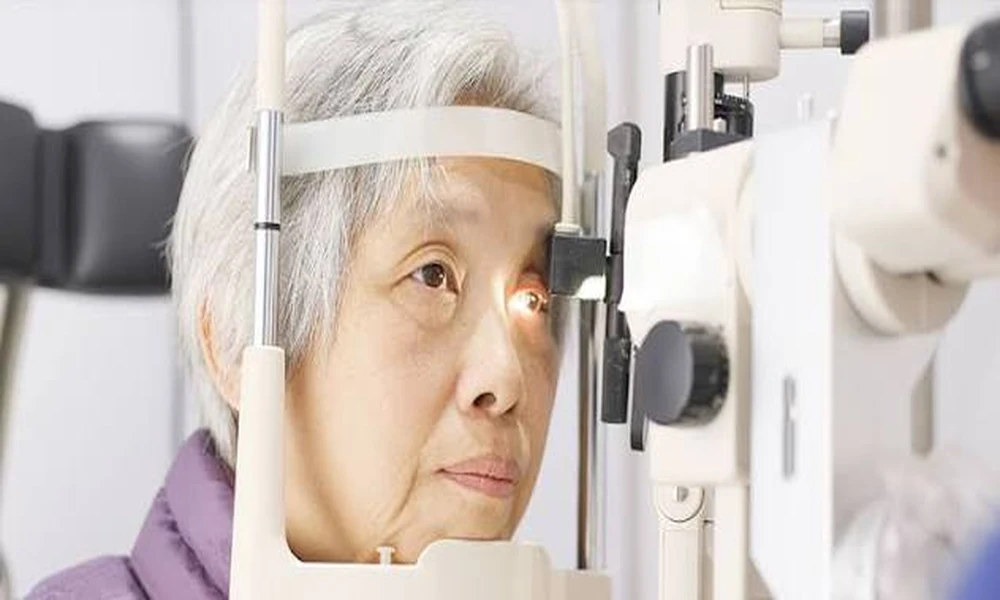
Certain eye disorders, such as cataracts, glaucoma, and age-related macular degeneration, can become more likely as one age. In their early stages, many illnesses don’t often exhibit clear symptoms. Because an eye care specialist can spot abnormalities that might not be apparent in daily life, routine examinations are crucial.
6. EVERYDAY ACTIVITIES CAN BECOME DIFFICULT
Vision changes may have an impact on daily activities. It could take more work to read labels, use digital gadgets, identify faces from a distance, or navigate securely in new areas. Confidence and independence may also be impacted by these challenges for certain individuals. Daily chores can be made simpler by raising font size, improving lighting, and placing regularly used things in familiar places.
7. CONCLUSION
Vision changes brought on by ageing are frequent, but they shouldn’t be overlooked. Simple issues like difficulty reading or increased glare sensitivity can occasionally be resolved with the right correction and lifestyle modifications. Timely medical attention may be necessary for more significant alterations. Older persons can preserve their eyesight and retain more independence in daily life by paying attention to symptoms, getting frequent eye exams, and heeding expert advice.